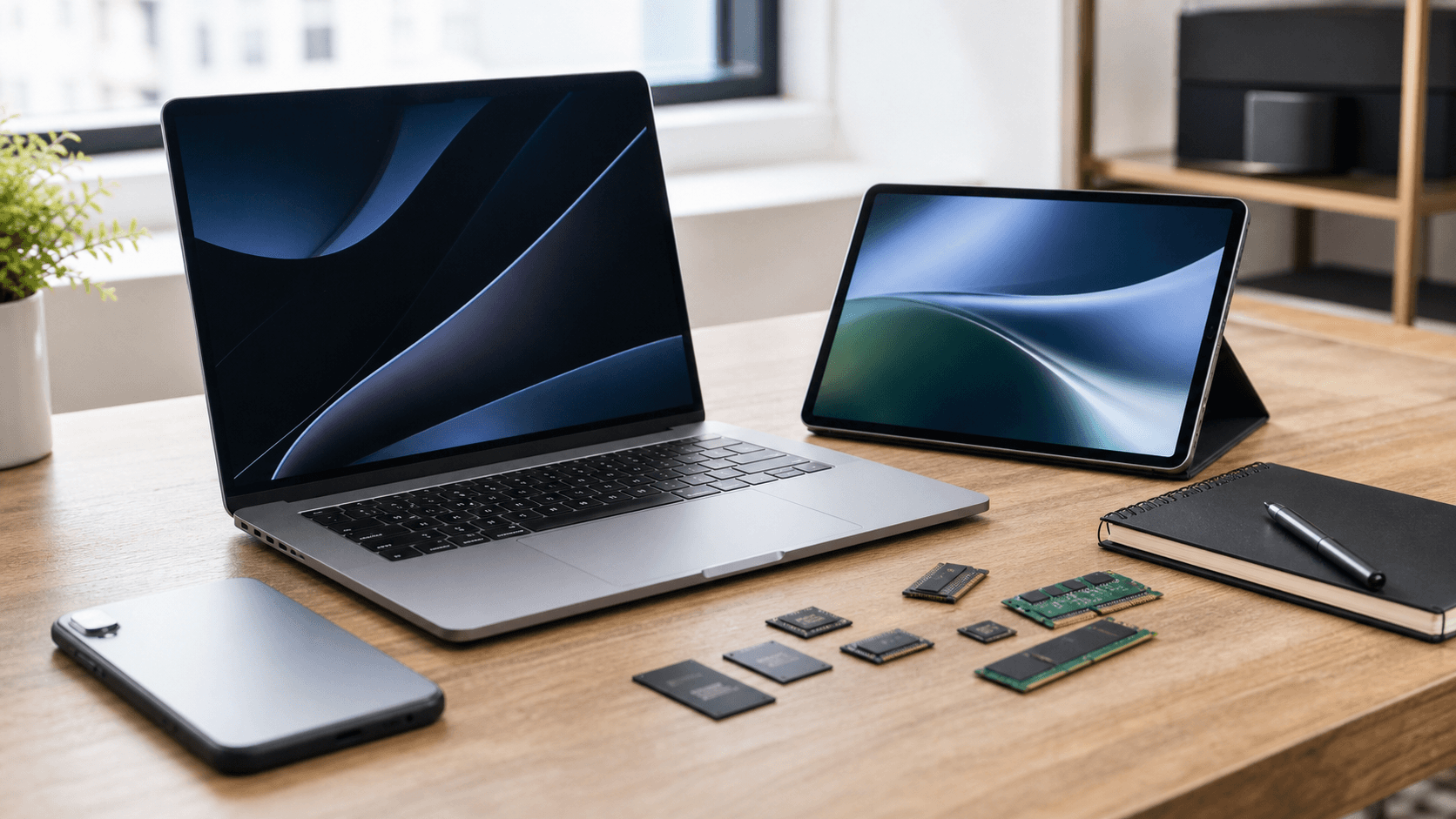
Apple's hardware pricing changed this week, and the signal is bigger than a few higher stickers on MacBooks and iPads.
On June 25, 2026, multiple current reports said Apple raised prices on Macs, iPads, and several other hardware categories because memory and storage costs have climbed sharply. TechCrunch framed the key consumer point clearly: Macs and iPads are getting more expensive, while iPhones are spared for now. Tom's Hardware published a table of changes that included higher starting prices for MacBook Neo, MacBook Air, MacBook Pro, Mac Studio, iPad Pro, and iPad Air. Thurrott reported that Macs and iPads were hit broadly, with the Mac mini excepted in its coverage, and that iPhone, Apple Watch, and AirPods were not part of this round.
That correction matters. A lot of buyers will hear "Apple prices are rising" and assume the iPhone changed today. Based on the current sources used for this draft, the accurate version is narrower: Macs and iPads rose now; iPhone pricing is a risk to watch later.
For Diveno Labs readers, this is not only a shopping story. It is a hardware supply-chain story, an AI infrastructure story, and a startup planning story. When memory becomes expensive, the pain does not stay inside data centers. It travels into laptops, tablets, phones, game consoles, servers, repair decisions, and procurement budgets.
The short version
Current reporting says Apple increased prices across parts of its Mac and iPad lineup on June 25, 2026. The increases are being attributed to higher memory and storage costs. Several reports connect those costs to the AI buildout, where data centers and hardware companies are competing for memory supply.
The clearest buyer summary is:
- Macs and iPads are more expensive in this round.
- iPhones are reportedly spared for now.
- Apple Watch and AirPods are also reportedly spared for now.
- Memory and storage costs are the stated pressure point.
- Retailers may still have older inventory or discounts, but that window can close quickly.
MacRumors had already reported on June 24 that Macs and iPads were about to get more expensive, citing Tim Cook's warning that Apple could no longer shield customers from huge memory-cost increases. MacRumors also reported on June 17 that Cook described price increases as unavoidable because Apple could not absorb the higher costs indefinitely.
The important shift is psychological. Apple usually prefers clean product pricing and model-year changes. Mid-cycle price increases feel different because they tell customers that supply-chain pressure is strong enough to break the usual rhythm.
What reportedly got more expensive
The exact list varies slightly by outlet and region, so buyers should check Apple's store and major retailers in their own country before acting. But current US-focused reporting points to increases across MacBooks and iPads.
Tom's Hardware reported examples including:
- MacBook Neo increasing from $599 to $699
- MacBook Air increasing from $1,099 to $1,299
- MacBook Pro increasing from $1,699 to $1,999
- Mac Studio M4 Max increasing from $1,999 to $2,499
- iPad Pro increasing from $999 to $1,199
- iPad Air increasing from $599 to $749
CNN-linked local coverage from KTVZ also reported that the entry MacBook Neo moved from $599 to $699, the cheapest iPad moved from $349 to $449, and the iPad mini moved to $599 after a $100 increase.
The Verge's summary described a broader set of increases across iPads, Macs, HomePod, Apple TV, and Vision Pro, while also tying the move to memory and storage costs. TechCrunch's shorter report emphasized the practical headline: Mac and iPad prices rose; iPhones did not rise in this round.
Because prices can vary by region and retailer, this article should not be treated as a shopping cart. Treat it as a map of the trend.
Why memory is suddenly everyone's problem
The explanation behind the price hike is not "Apple wants higher margins" in isolation. The bigger story is memory.
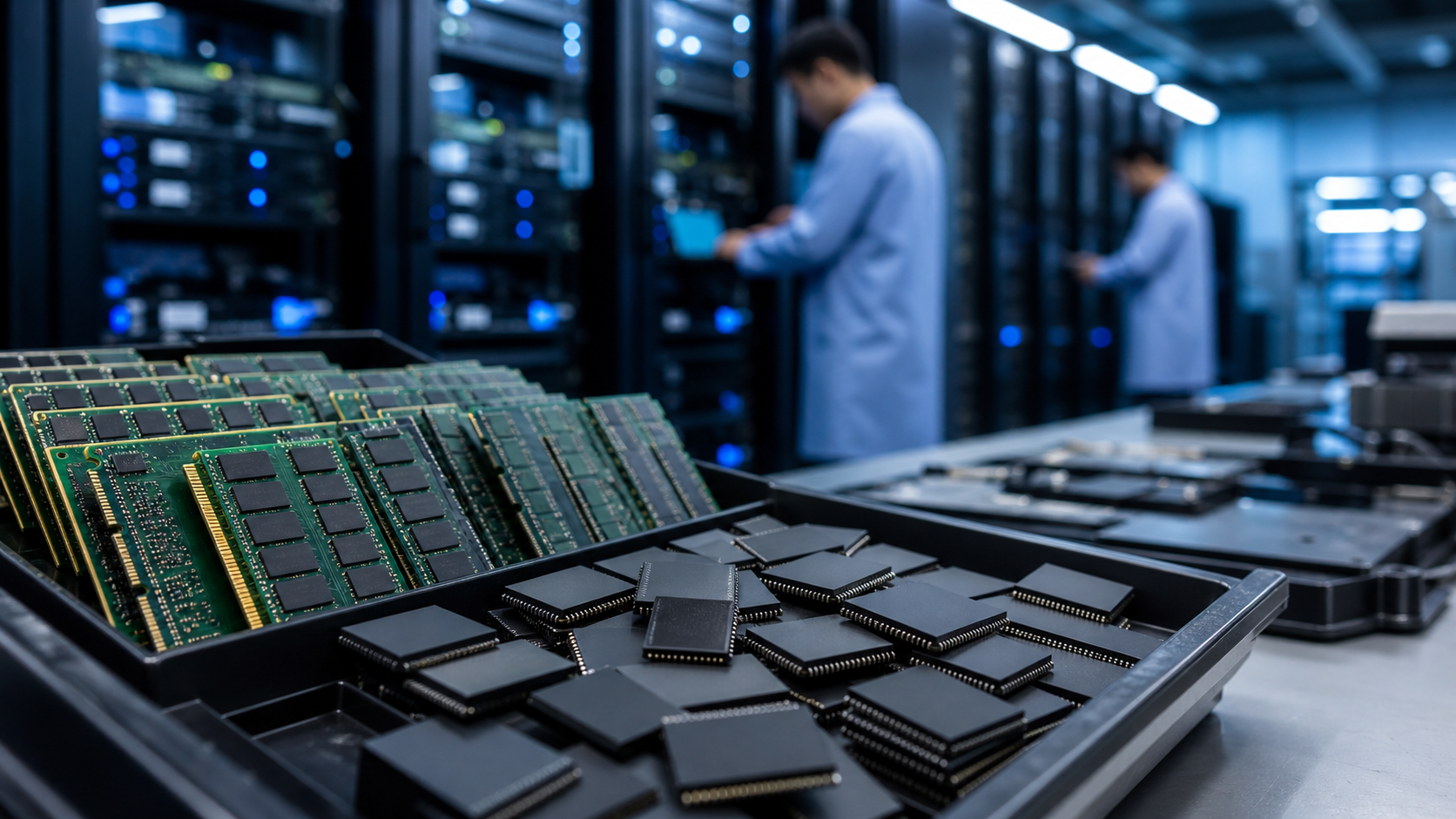
Modern devices need RAM and storage. AI servers need enormous amounts of high-performance memory. Cloud companies, model labs, chip suppliers, consumer electronics brands, and PC makers are all competing in the same broad supply environment. When AI data centers buy aggressively, consumer-device makers do not magically live in a separate market.
That is why this story belongs next to AI news, not only Apple news. The AI boom is changing prices outside AI products.
For users, memory often feels invisible. People notice the screen, battery, camera, keyboard, design, and app speed. But memory decides whether a device can run heavier local AI features, keep more apps alive, edit larger media, handle browser tabs, and stay useful for years.
For Apple, this is especially sensitive because the company has been pushing more on-device intelligence. If future devices need more RAM to run smarter local features, Apple has to either absorb the cost, raise prices, reduce margins, change configurations, or reserve certain features for higher-end models.
None of those choices is painless.
Why iPhone buyers should still pay attention
Again, the current reports used here do not say iPhones rose today. They say the opposite: iPhones were spared for now.
But "for now" is doing real work.
The iPhone is Apple's most important hardware product. Apple has more incentive to protect iPhone pricing than almost any other line because iPhone pricing affects upgrade cycles, carrier deals, trade-ins, accessories, services, and investor expectations. That makes it logical that Apple would avoid touching iPhone prices first.
But if memory costs remain high, future iPhone decisions could change in subtler ways:
- higher prices for Pro or high-storage models
- less generous base storage changes
- more feature separation between standard and Pro devices
- stronger trade-in and carrier financing emphasis
- older models kept around longer to preserve lower entry points
- AI features tied to newer or higher-memory devices
That is why buyers should not overreact, but they should watch the next iPhone launch carefully. A company can avoid a direct price hike and still shift value through configuration, storage, features, and upgrade incentives.
What this means for Mac and iPad buyers
If you were already planning to buy a Mac or iPad, the decision is now more tactical.
First, check whether retailers still have older-price inventory. TechRadar's coverage noted that some retailers may not have caught up immediately, which can create a short window for buyers. That does not mean every deal is good. It means the timing of inventory matters.
Second, compare refurbished devices more seriously. Apple's own refurbished store, certified resellers, and reputable local sellers can become more attractive when new-device prices rise. A refurbished Mac with enough memory and storage may beat a new lower-spec model.
Third, do not buy too little RAM just to stay under an old budget. This is the painful part. If memory is becoming more expensive and AI features are becoming more common, the cheapest configuration may age faster. Saving money today can become false economy if the device feels constrained in two years.
What startups and small teams should do
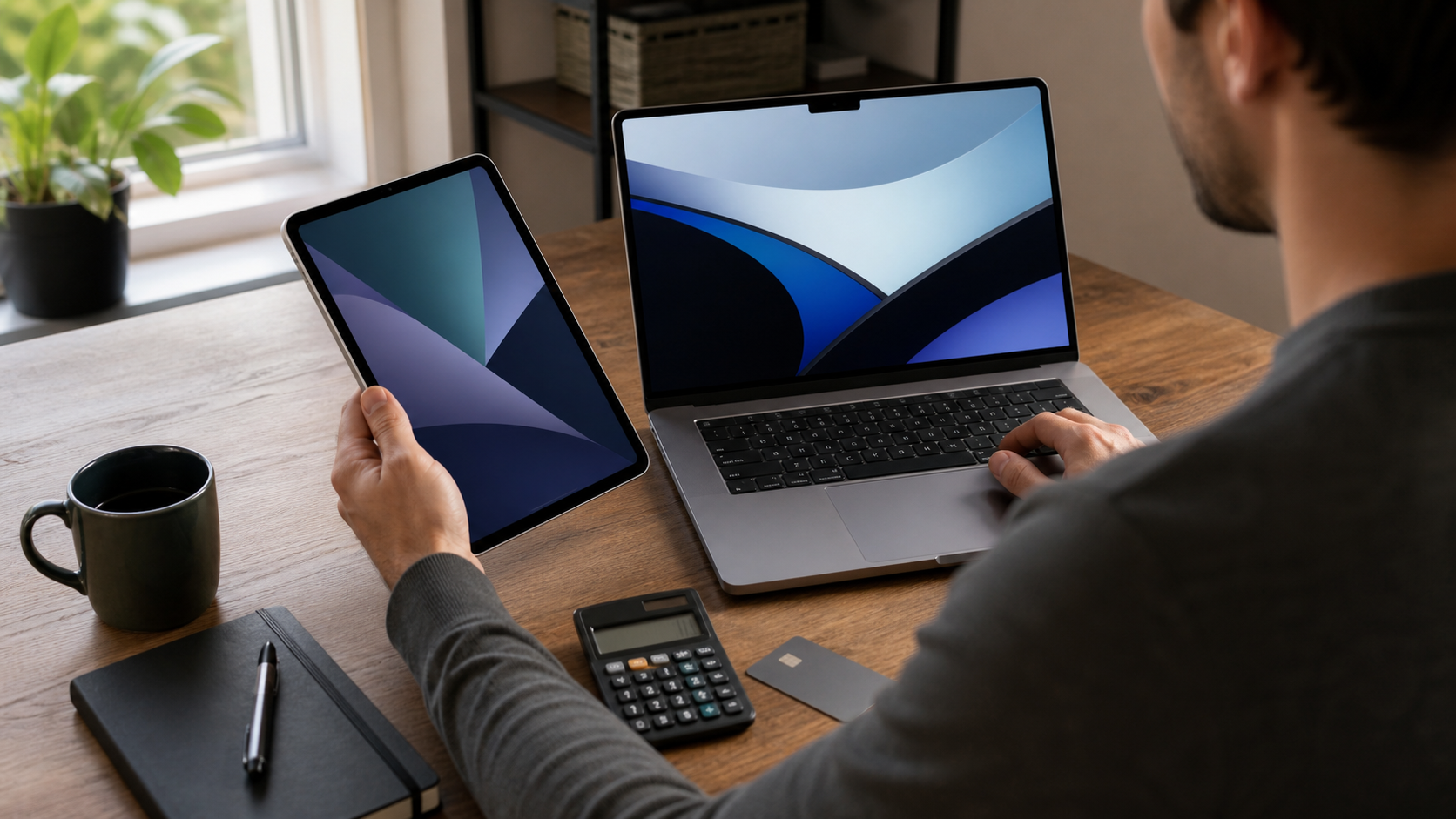
This story matters for startup budgets because small teams often buy devices casually. A founder approves two laptops here, a designer iPad there, a test phone later, and the hardware budget quietly grows.
Price hikes make that casual approach worse.
Teams should now treat hardware like a small procurement system:
- define standard device tiers by role
- buy enough memory for the expected work
- keep a simple device inventory
- use refurbished devices for testing and non-critical roles
- avoid overbuying Pro machines for admin work
- plan replacement cycles instead of emergency purchases
- preserve older devices for QA and compatibility testing
For app teams, keeping older iPhones and iPads around is still useful. Not every customer owns the newest device. Rising prices may slow upgrade cycles, which means real users may stay on older hardware longer. Product teams should test for that reality.

The AI tax on ordinary products
This is the deeper product implication: AI infrastructure costs are leaking into ordinary products.
Users may not buy an AI server. But they may pay more for a laptop because AI servers are consuming memory supply. A student may not train models. But their tablet may cost more. A startup may not run a large model cluster. But its hardware refresh may become more expensive.
That is not a moral argument against AI. It is a reminder that technology markets are connected. When one category grows aggressively, component supply shifts. The result can show up in places that feel unrelated.
For builders, this creates an interesting responsibility. If your product adds AI features, be clear about whether those features actually help users. "AI" cannot be only a cost driver. Users will become less patient with expensive hardware if the promised intelligence feels gimmicky.
Repair and lifecycle just became more important
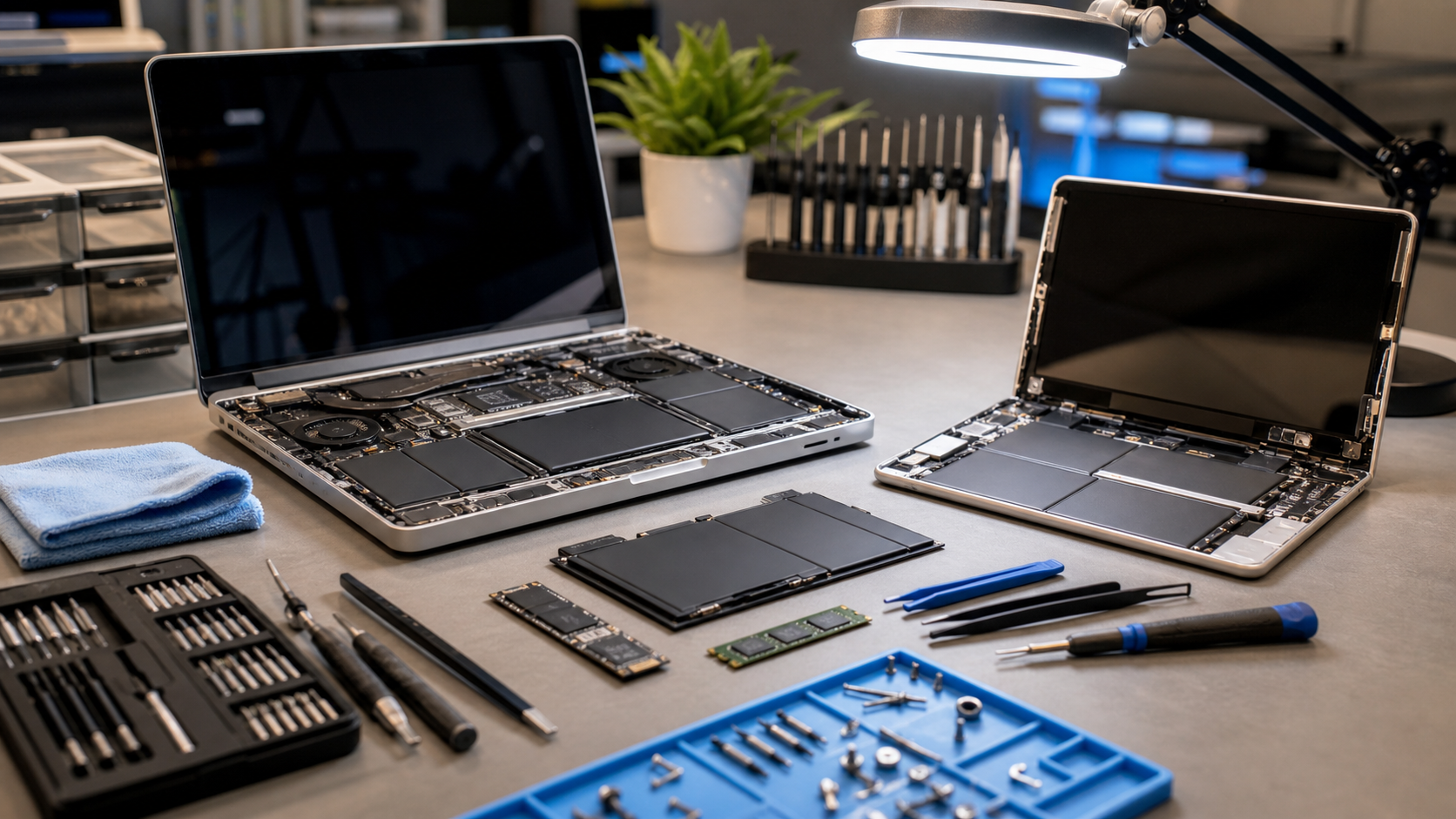
Higher new-device prices make repair, battery replacement, and refurbished buying more practical.
This is good product thinking. The cheapest device is often the one that already works. If a Mac only needs a battery service, keyboard repair, or storage cleanup to remain productive, replacing it immediately may be wasteful. If an iPad is used mostly for testing layouts, reading, point-of-sale workflows, or basic creative review, a refurbished model may be enough.
The same applies to businesses. A team that manages device lifecycle well can absorb price shocks better than a team that buys reactively.
How this changes product planning
Consumer hardware price increases affect software companies in quiet ways.
If premium devices become more expensive, upgrade cycles can lengthen. If upgrade cycles lengthen, apps must perform well on older hardware. If apps must perform well on older hardware, teams need better performance budgets, lighter interfaces, smarter image loading, and fewer assumptions about abundant memory.
This is especially relevant for AI apps. A product that assumes everyone has the newest phone or laptop may feel brilliant in demos and heavy in the real world. The more expensive devices become, the more inclusive performance becomes a competitive advantage.
For Diveno Labs readers building apps, websites, and AI workflows, the takeaway is practical:
- optimize for mid-range hardware
- test memory use
- avoid bloated frontends
- design graceful degradation for AI-heavy features
- keep offline and low-bandwidth behavior in mind
- make upgrade prompts honest, not manipulative
Hardware price inflation makes efficient software feel premium.
What buyers should do now
Do not panic buy. Do not assume every retailer has changed every price. Do not assume iPhones rose today. Do not assume waiting automatically saves money.
Instead:
- Check the specific model and configuration you need.
- Compare Apple, major retailers, and certified refurbished channels.
- Watch whether old-price inventory still exists.
- Buy enough memory for your actual work.
- Delay if your current device is still healthy.
- Repair if the repair meaningfully extends useful life.
The worst decision is emotional: buying the wrong device quickly because a headline made prices feel scary.
The Diveno Labs takeaway
Apple's price hikes are a consumer-tech story with a supply-chain engine underneath. Macs and iPads are getting more expensive because memory and storage costs are under pressure. iPhones appear spared for now, but the same forces could shape future iPhone pricing, storage tiers, and AI feature availability.
For consumers, the smart move is specific comparison, not panic. For startups, this is a nudge to formalize hardware planning. For product teams, it is a reminder that efficient software matters more when hardware gets expensive.
AI may be driving the memory crunch, but ordinary users are the ones who feel it when the checkout price changes.
Source note
Sources used for this draft:
- TechCrunch: Apple raises Mac and iPad prices, spares iPhone for now
- Tom's Hardware: RAM crisis bites Apple as Mac and iPad price rises arrive
- Thurrott: Apple announces price increases on Macs, iPads, and other products
- MacRumors: Macs and iPads are about to get more expensive
- MacRumors: Tim Cook says Apple price increases are unavoidable due to memory costs
- KTVZ/CNN: Apple is hiking the prices of MacBooks and iPads
Frequently asked questions
Did Apple raise iPhone prices today?
Current reports say Apple raised prices across Macs, iPads, and some other hardware, while iPhones, Apple Watch, and AirPods were spared for now.
Why did Apple raise Mac and iPad prices?
Current reporting links the increases to rising memory and storage costs, with AI data-center demand putting pressure on RAM and NAND supply.
Should buyers purchase an Apple device immediately?
Buyers who already need a Mac or iPad should compare current retailer inventory, refurbished options, and upcoming model timing. Panic buying is not useful, but waiting may no longer guarantee lower prices.
Build with Diveno Labs
Turn this idea into a working system.
Share the workflow, product, or content bottleneck you want to improve. We will help shape it into a practical build.
Plan resilient product decisions